
The Reality of Running a Kitchen Today
At Menuit, we understand that opening a supplier's invoice can be a stressful moment. Seeing avocado or poultry prices double overnight puts restaurant owners in a difficult position. Traditionally, there were only two choices: absorbing the cost and watching margins disappear, or spending valuable time and money reprinting menus, crossing things out, or using price stickers.
Running a kitchen is demanding enough without the added weight of volatile market prices. Owners need a way to stay agile and professional while protecting their bottom line.
Why Paper Menus Can Be a Bottleneck
The real cost of a paper menu isn't just the ink and cardstock. It's the design time, the back-and-forth with the printer, and that awkward "transition period" where old prices are still on the table.
Beyond the cost, there’s the guest perception. When a guest sees a menu with manual edits, it can feel unorganized. The goal is to keep them focused on the food and atmosphere, not wondering about price fluctuations due to a handwritten note.
A Solution for Modern Agility
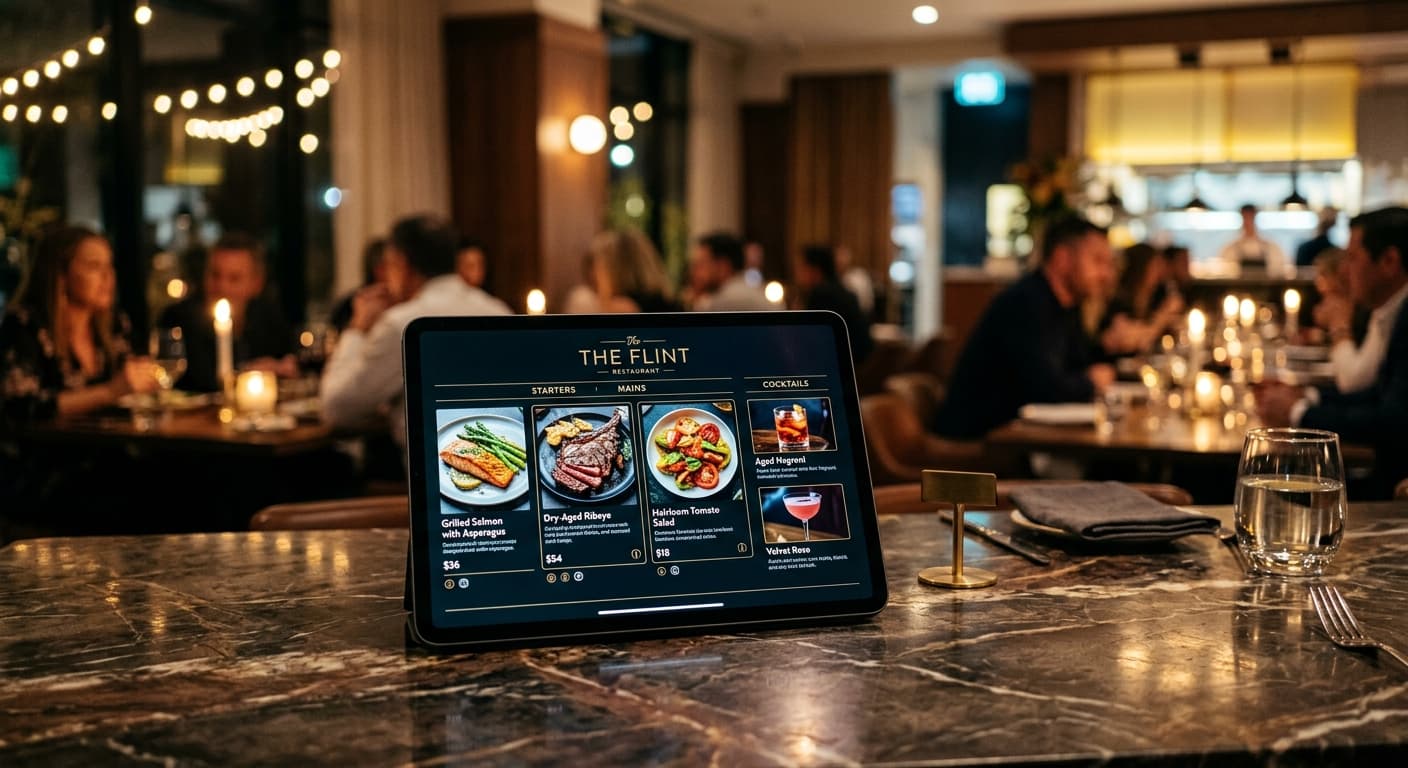
Moving to a digital menu for restaurants is a powerful way to manage costs effectively. It’s not about "dynamic pricing" in a way that confuses people; it’s about having a menu that is as adaptable as the kitchen itself.
Updates in Seconds, Not Days
With a tool like Menuit, owners can update a price across the whole house in seconds. If the market price for lobster spikes, it can be adjusted before the lunch rush starts. This kind of agility is essential for restaurant cost management today, taking the "panic" out of those unexpected supplier invoices.
Keeping It Professional
The best part is that it’s invisible to the guest. The menu always looks polished and intentional. Digital menus reduce the need to explain market price fluctuations because the information is always clear, accurate, and professional.
From "Set It and Forget It" to Active Management
Many successful restaurants are moving away from the old way of setting prices once a season and hoping for the best. By staying on top of the menu in real-time, owners can:
- Protect Margins: Ensure every dish stays profitable, even when suppliers change their rates.
- Move Inventory Fast: If there is a surplus of an ingredient, a quick special or price adjustment can encourage sales and reduce waste.
- Experiment Safely: Test small adjustments to see what guests are comfortable with without committing to a massive print run.
Inflation is a significant challenge, but it doesn't have to dictate a restaurant's profitability. Staying flexible with digital menus allows owners to keep their focus where it belongs: on the food and the guests.